
Forum “Civic Participation: A New Reality”: How Ukrainian Communities Are Rethinking Participation During the War
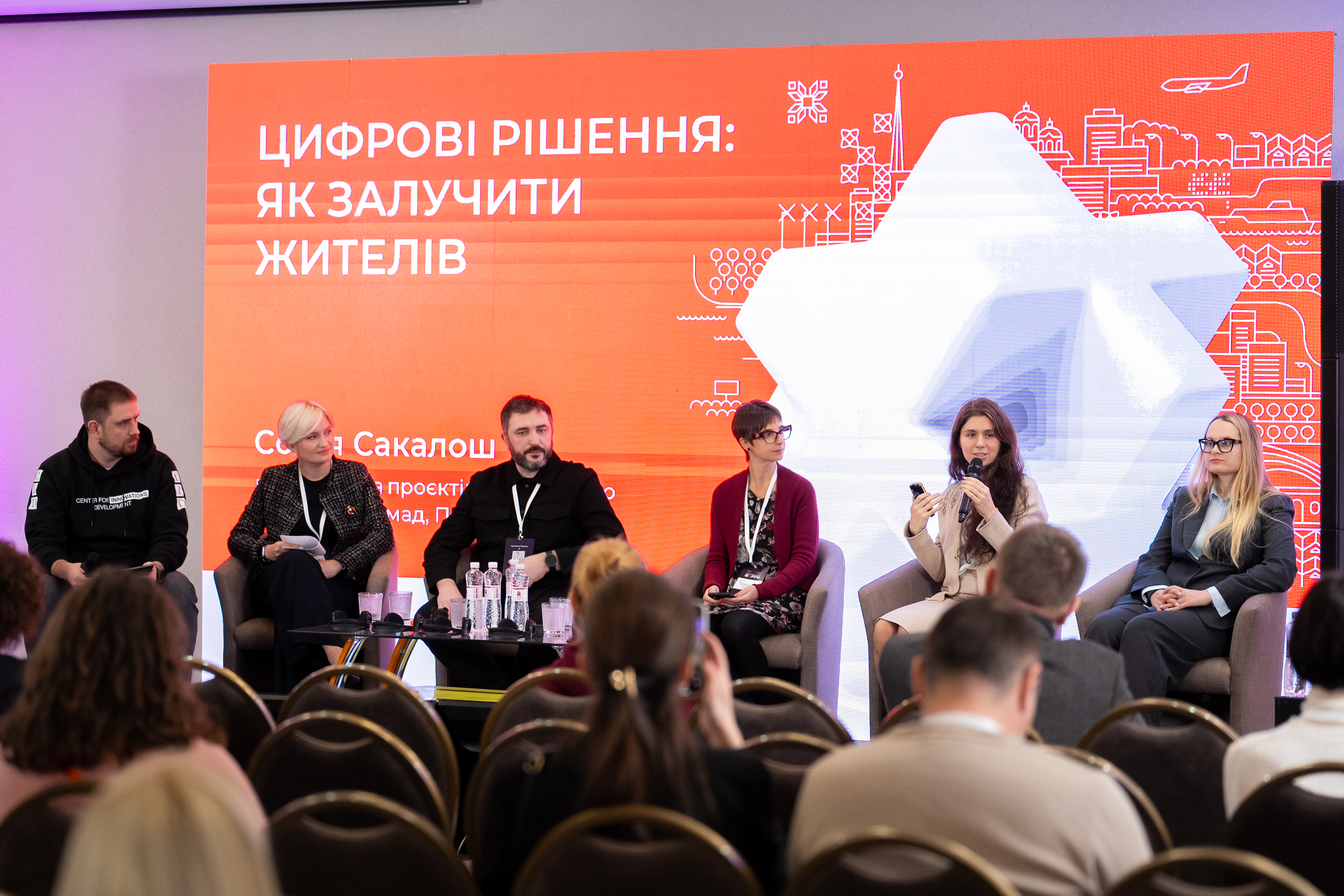
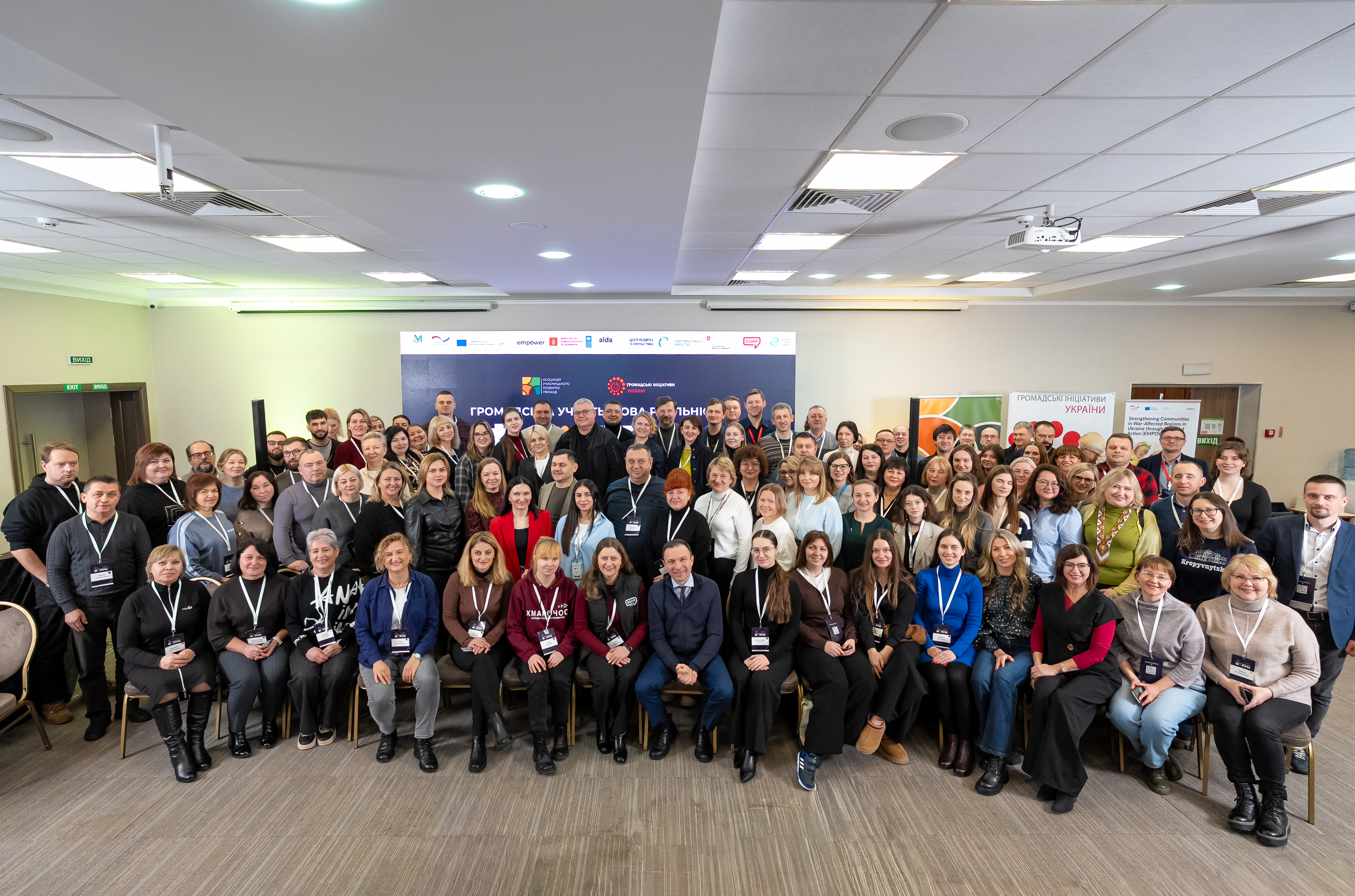
On 20–21 November, Kyiv hosted the Forum “Civic Participation: A New Reality” — an event that brought together more than 160 representatives of communities, local self-government bodies, civil society organizations, experts and donor institutions from across Ukraine. The Forum was organized by the Association for Communities Participatory Development in partnership with the Union “Civil Initiatives of Ukraine” and with support from international partners.
It became a space where experience, challenges, community energy and an honest need to speak about participation came together — sincerely, deeply, and meaningfully.
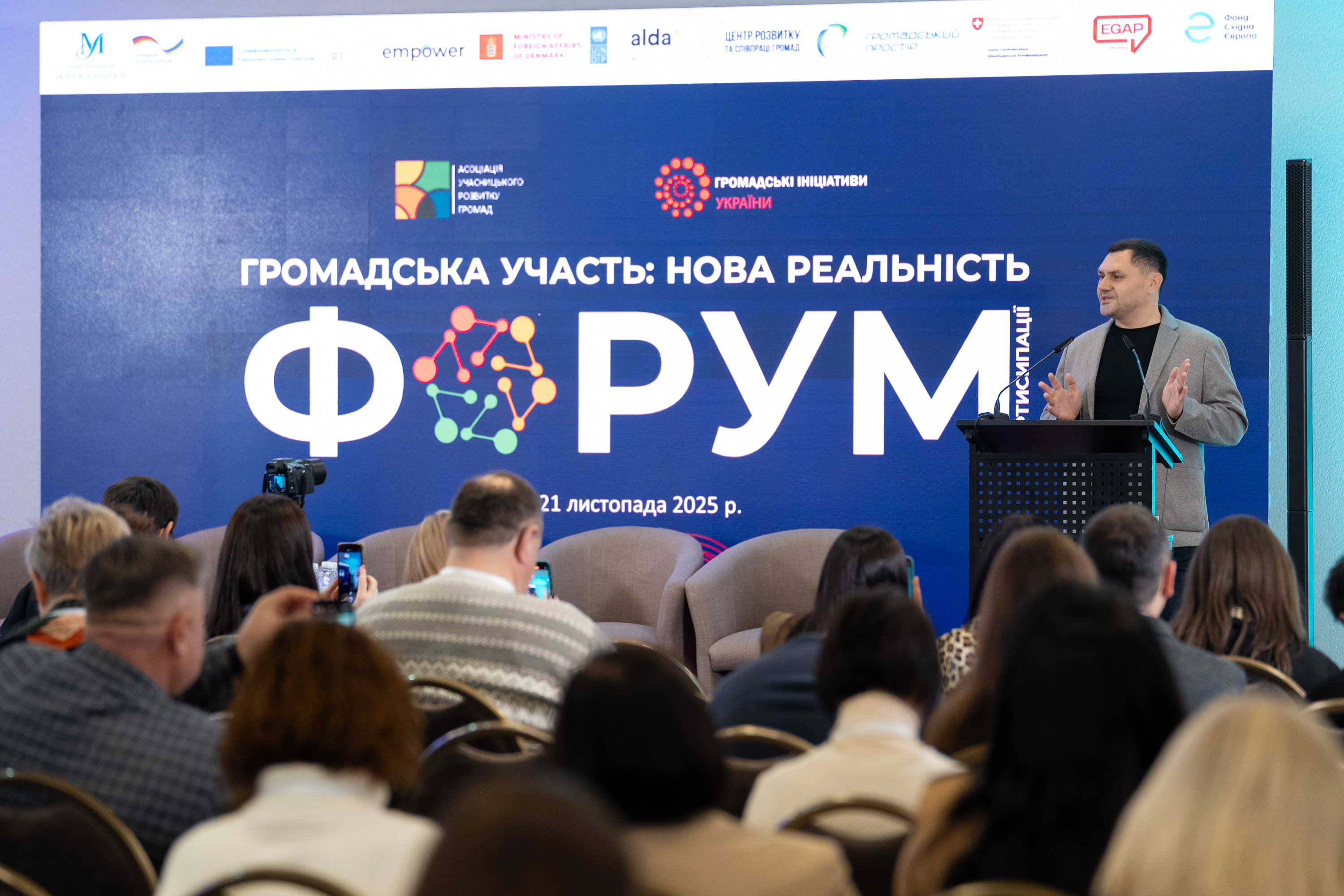
Why Participation Matters Now More Than Ever
Today, civic participation has acquired a new meaning. The war has limited many traditional mechanisms of influence, including representative democracy. Yet this has made the need for participation even stronger.
During the opening of the Forum, much was said about the fact that participation has not disappeared — it has transformed. Where once we focused on procedures and tools, we now turn to practices grounded in trust, solidarity, dialogue and shared responsibility.
Our partners also emphasize that despite the war, communities continue engaging residents, collecting feedback, organizing public discussions and involving people in recovery processes. This makes participation in Ukraine not symbolic, but truly alive.
What We Discussed During the Two Days
Participation in New Realities
We explored how approaches to participatory democracy are changing: — from formal procedures to more human-centered practices, — from standard tools to inclusive formats of dialogue, — from “projects” to shared responsibility.
Budgets, Transparency and Decision-Making in Uncertain Times
Communities shared their experience of implementing participatory budgeting during the war, how decisions are made when resources are limited, and what strengthens public trust.
Data and Digital Tools
Modern participation tools are becoming increasingly digital. Participants discussed the use of data in decision-making, online platforms for engagement and new communication channels between authorities and residents.
Public Consultations and the Culture of Dialogue
We talked about honest and meaningful consultations, engaging people in difficult topics, and ensuring that different voices are heard — especially during a time of turbulence.
Local Authorities + CSOs = Co-creation
Sessions focused on models of cooperation between local governments and civil society organizations — how to move from formal partnerships to sustainable, co-created solutions.
Youth Participation, Inclusiveness and Social Cohesion
A significant part of the programme was dedicated to youth engagement, participation from an early age, and accessibility. We discussed how communities involve young people in recovery, integrate internally displaced persons, and ensure inclusiveness for all groups.
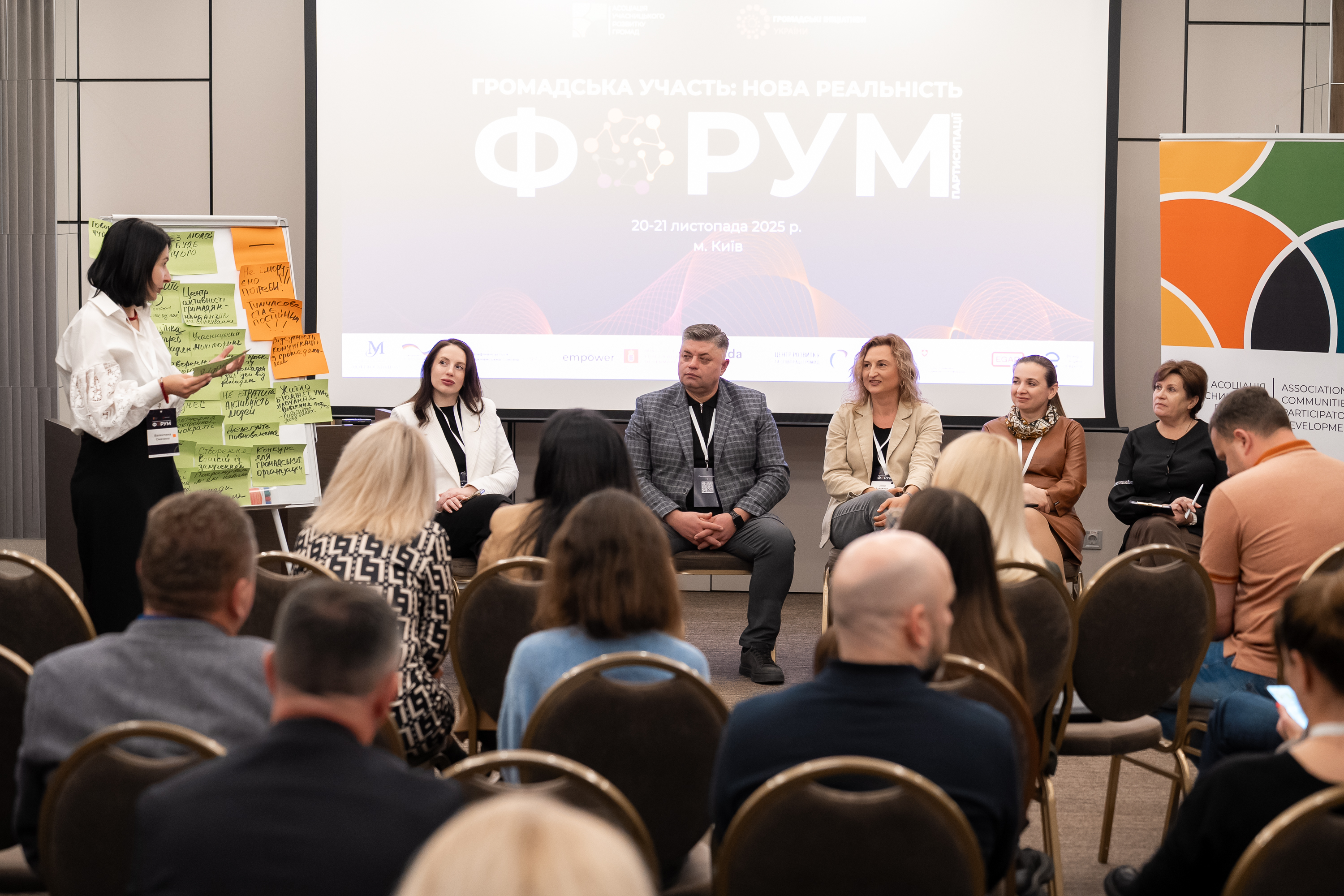
The Main Result: People and the Connections Between Them
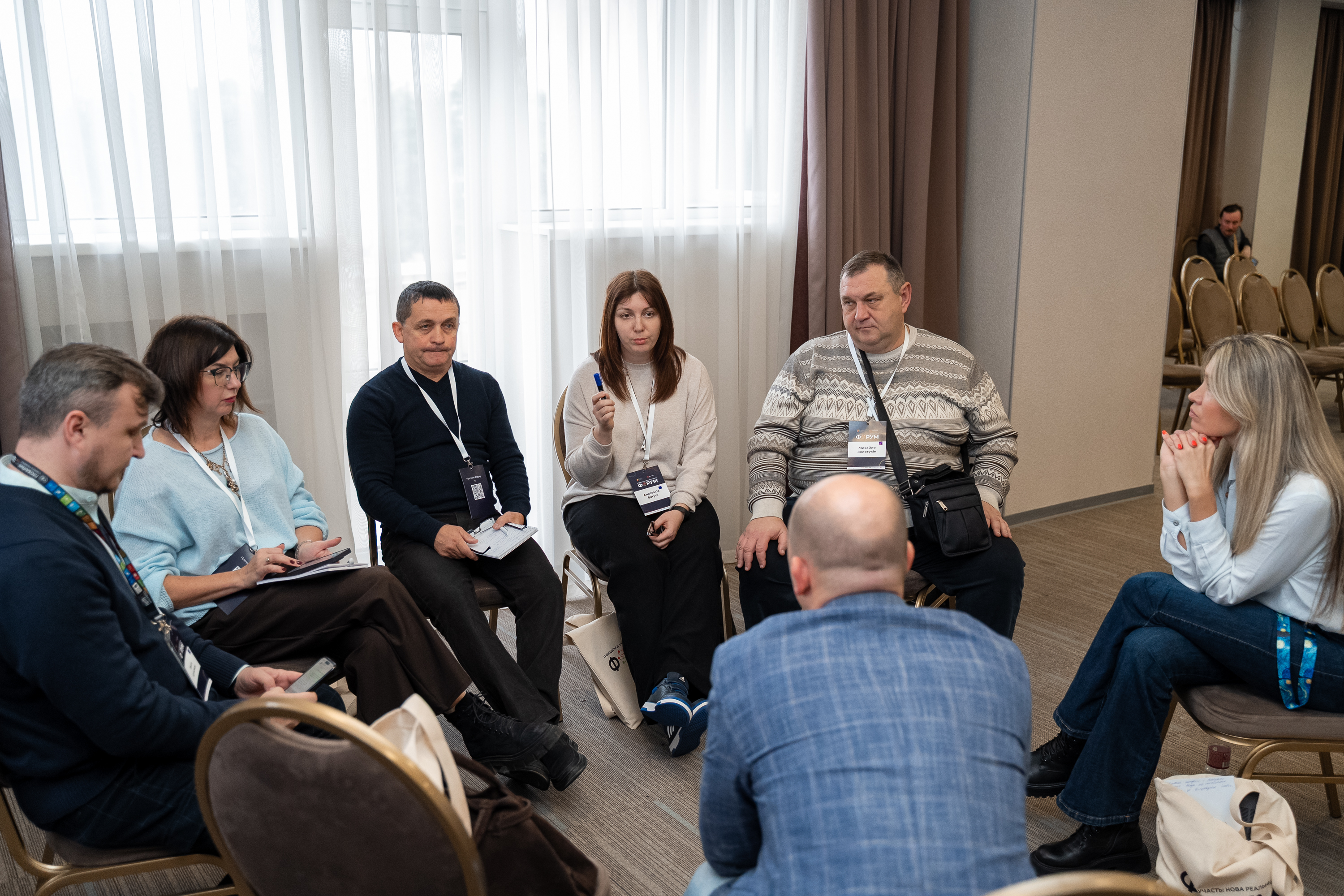
Many discussions moved beyond programme topics and turned into deeply personal conversations about responsibility, exhaustion, trust, meaning and mutual support.
Participants described the Forum as a space where one could share challenges, hear others, find like-minded people and see that communities across Ukraine face similar issues. This atmosphere — warm, open and sincere — became one of the Forum’s greatest values.
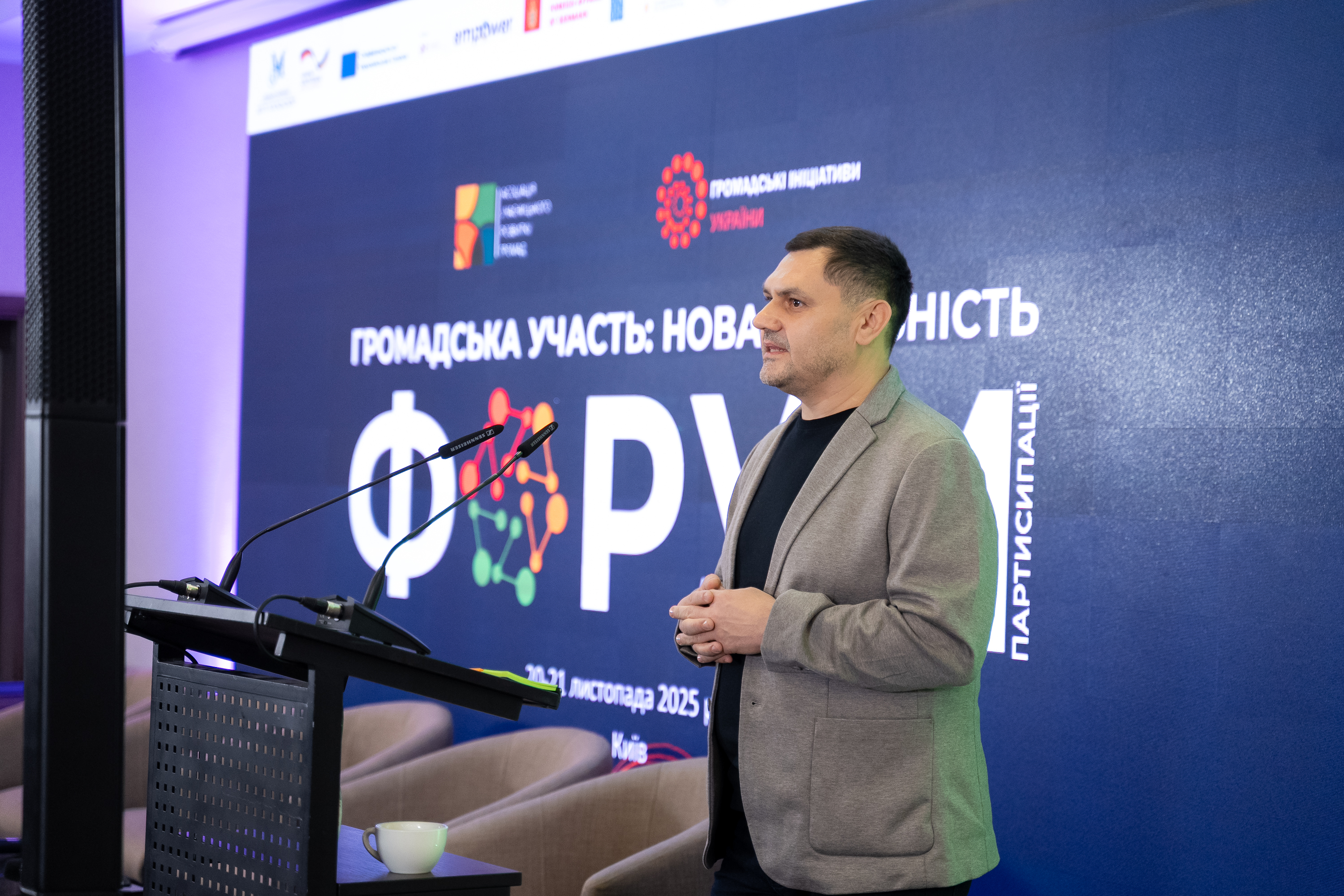
We designed the program so that everyone has a space to be heard. Panels, workshops, community groups — all for the sake of a lively, honest conversation. 420 applications showed: the need for participation is great. And it is only growing. This forum is the beginning. Next will be mentoring programs, online events, new formats. And the next forum — too.
Leonid Donos, executive director of the Asoociation for Communities Participatory Development
What the Forum Showed
- Civic participation in Ukraine is not only preserved — it is evolving and adapting.
- Communities are actively seeking solutions and have a strong demand for dialogue and openness.
- Cooperation between local authorities, civil society and international partners is yielding concrete results — from improving inclusiveness to strengthening public dialogue.
- Human connection remains crucial: through collaboration and mutual support, communities become more resilient and stronger.
What Comes Next
The Forum marked an important step in re-establishing a national conversation on civic participation — but it is only the beginning.
In the coming weeks, we will share: — key insights and practical outcomes of the discussions, — plans for 2026, including the next edition of the Forum, — new opportunities for communities and partners.
We are grateful to everyone who joined us over these two days. Together, we are shaping a new standard of participation — open, inclusive, meaningful and alive. Stay with us — we will soon announce the next steps.
ℹ️ The Forum “Civic Participation: A New Reality” is organized by the Association for Participatory Community Development (APCCD) together with the Union “Civic Initiatives of Ukraine”, with the support of the Charles Stewart Mott Foundation, the United Nations Development Programme in Ukraine (UNDP) and funding from the Government of Denmark, the “EMPOWER” program, funded by the Federal Ministry for Economic Cooperation and Development of Germany (BMZ) together with the European Union and implemented by GIZ Ukraine, the Swiss-Ukrainian EGAP program, implemented by the Eastern Europe Foundation, the European Local Democracy Association (ALDA), the NGO “Center for Community Development and Cooperation” and the IAC “Public Space”.
News
View All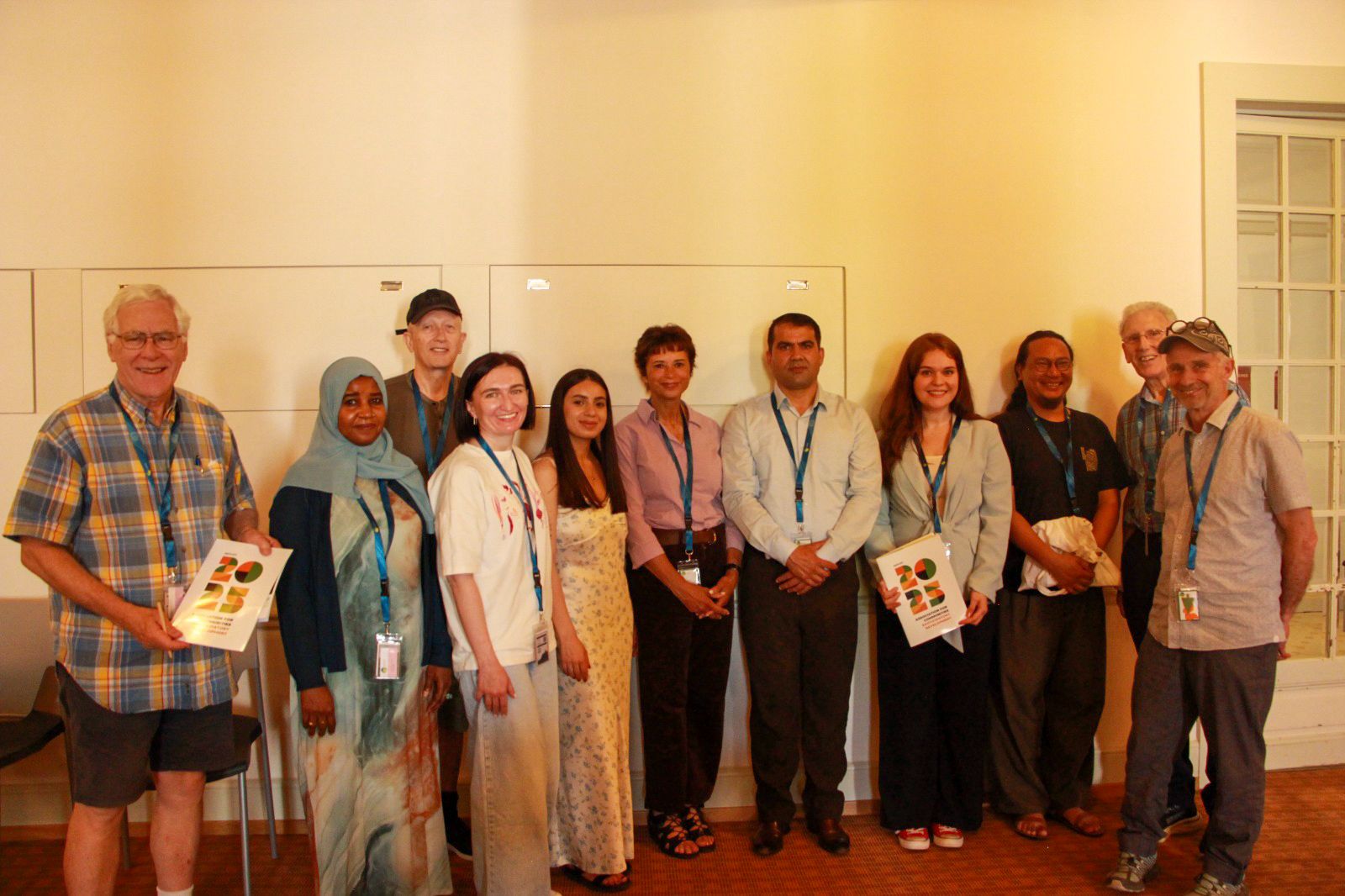
ACPD Presented Ukraine's Experience of Democracy in Times of War at the Caux Democracy Forum
The team of the Association for Communities Participatory Development (ACPD) took part in the Caux Democracy Forum in Switzerland—an annual international gathering that brings together representatives of civil society, public institutions, international organizations, researchers, and practitioners from around the world to explore responses to today's democratic challenges.
Eight Local CSOs from Four Regions of Ukraine Completed Organizational Development Training
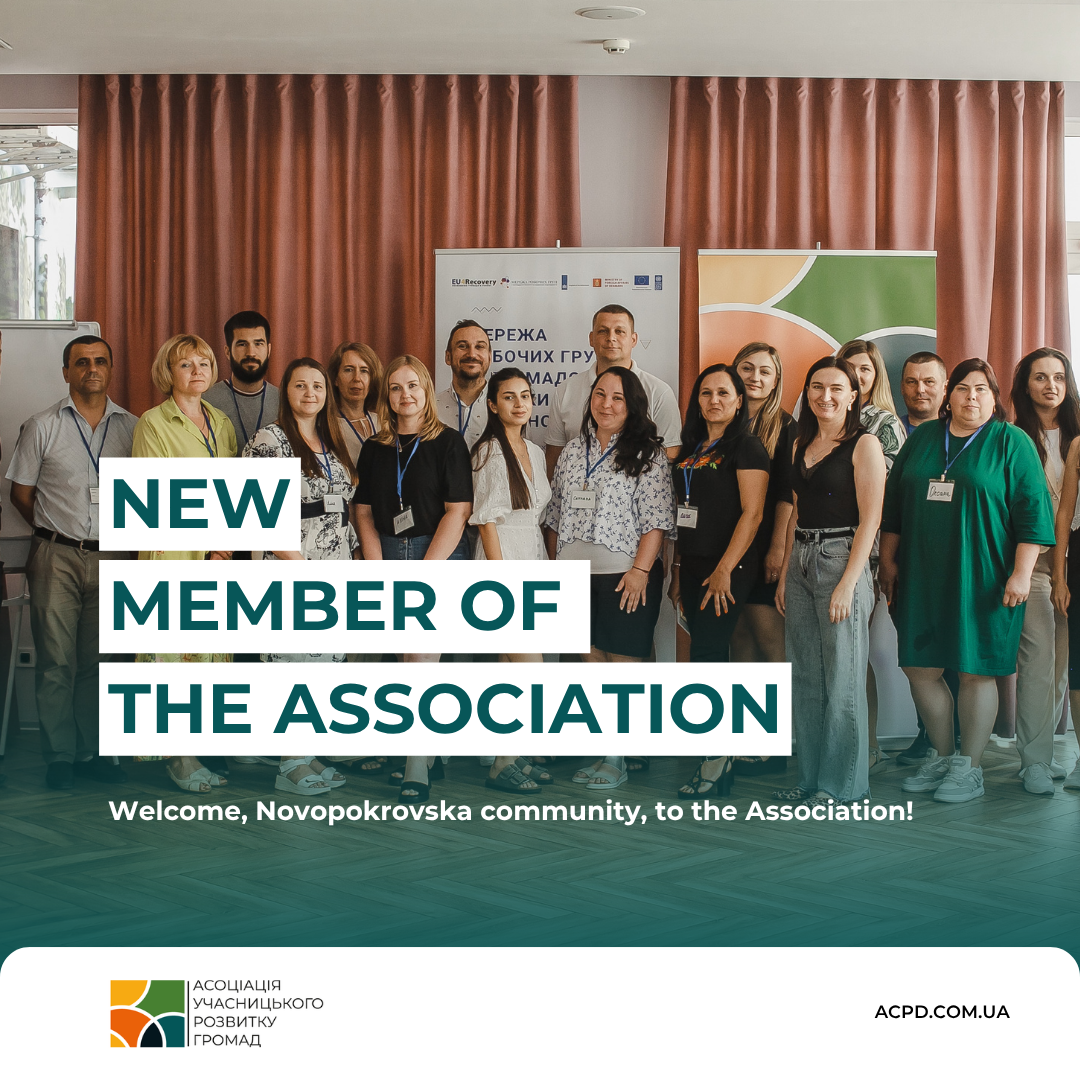
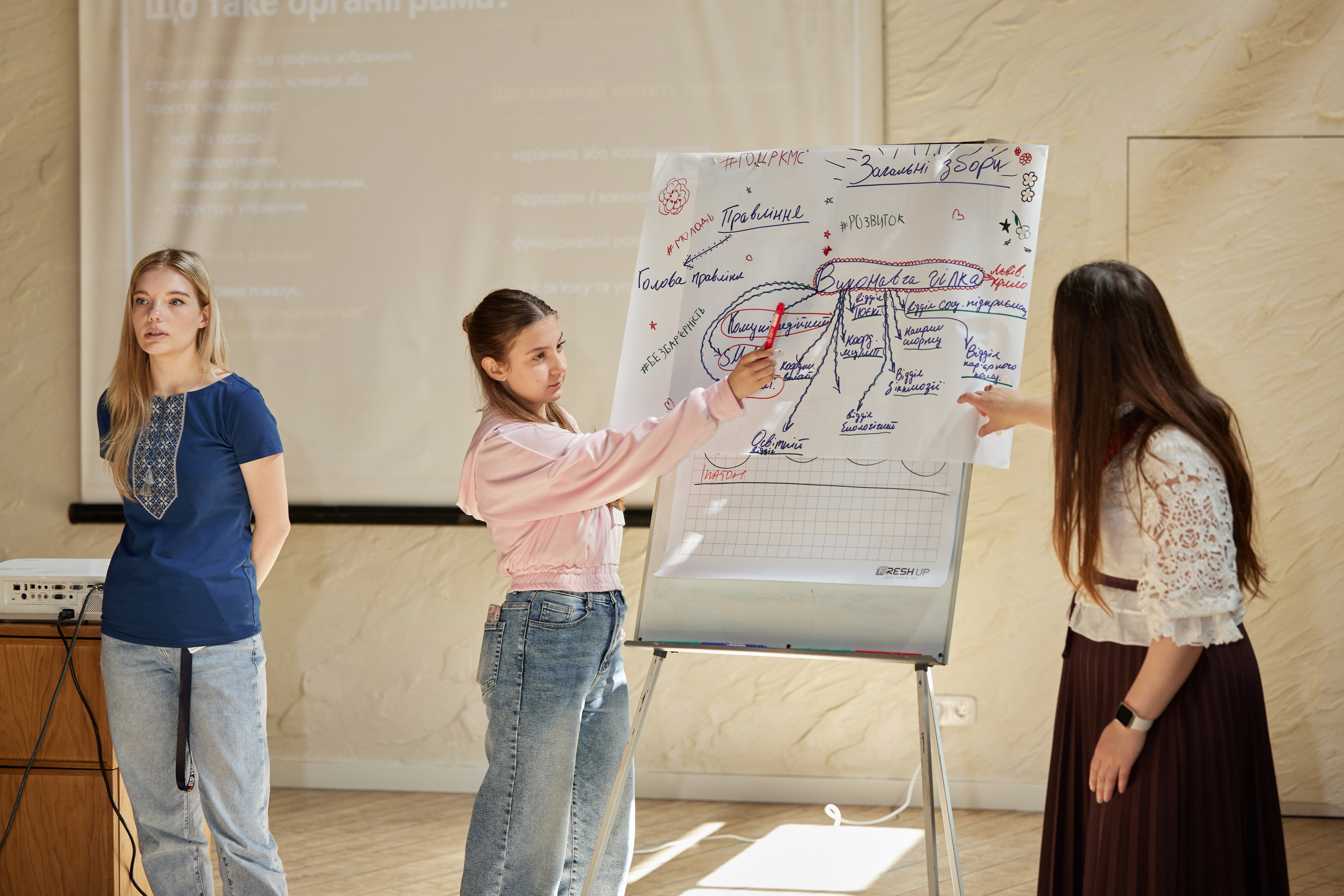
As part of the “Way to Protection and Durable Solutions” project, the Association for Communities Participatory Development conducted a seven-day organizational capacity strengthening program for eight local civil society organizations (CSOs) from Dnipropetrovska, Kyivska, Kharkivska, and Chernihivska oblasts.